







Search Results for: Rodríguez family
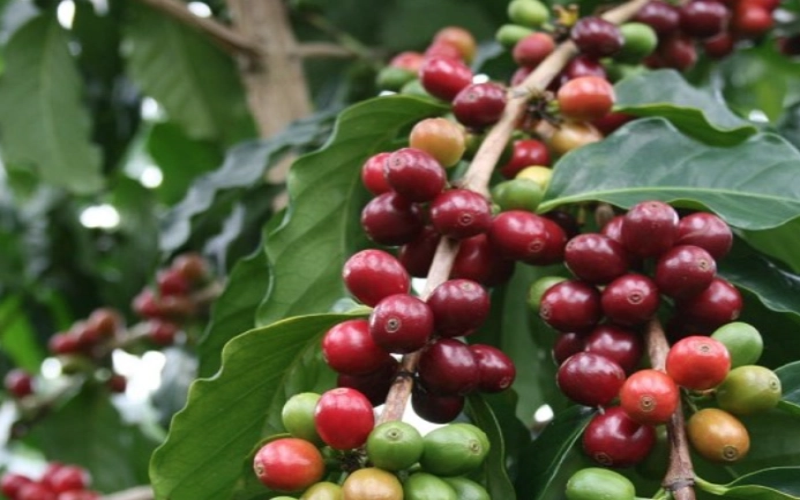
The Road to Revival of Bolivian Coffee: Exploring the Flavors of Pedro Rodríguez, Geisha, and Java Varieties
In the landlocked South American country of Bolivia, the development of specialty coffee is inseparable from the Rodríguez family, especially Pedro Rodríguez, who is regarded by the industry as a key figure in Bolivia's coffee revival. From trendy brands like Intellectuals snapping it up year after year, to Japanese competitor Miki Suzuki winning the World Runner-Up title with Geisha from his estate, Bolivian coffee is returning to the spotlight with its unique terroir and exceptional quality. Front Street Coffee recently cupped the Cacao Natural Java produced by the Rodríguez family, as well as the Washed Java Typica from the Tomorrow's Sun project, and the flavors were stunning. This article will trace the ups and downs of Bolivian coffee history, the characteristics of its producing regions, the contributions of the Rodríguez family, and the varietal origins of Geisha and Java, giving you a comprehensive understanding of the coffee charm of this high-altitude producing country. [more…]

The Rise, Fall, and Revival of Bolivian Coffee Regions: From Yungas to the Rodriguez Family
Bolivia is one of the poorest countries in South America. Although its coffee production is small, it has won the favor of enthusiasts with its excellent sweetness and unique flavors. Coffee first took root in the Yungas region on the eastern slopes of the Andes at the end of the 18th century, and only became commercialized in the early 20th century. Since then, due to international price fluctuations and policy changes, the industry went through repeated ups and downs, and was even once replaced by drug crops. It was not until 2022, when the government once again turned its attention to it, that the coffee industry saw a turning point. The country has diverse terrain and climate. Caranavi Province has long been a core production area, and in recent years Samaipata in Santa Cruz has begun to emerge. The Rodríguez family has been deeply involved here since 1986, introducing varieties such as Java and Geisha, and promoting Bolivian coffee on the international stage. [more…]
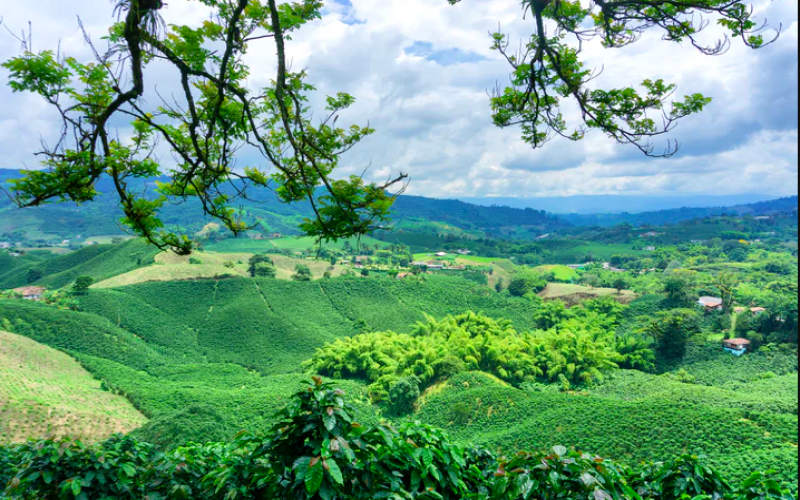
Complete Guide to Colombian Coffee: From Cultivation Origins to Washed Processing and Pour-Over Parameters
Colombia is not only the world's third-largest coffee-producing country, but also the largest exporter of washed Arabica coffee, with specialty-grade beans accounting for as much as forty percent of its exports. From Mariano Ospina Rodríguez establishing the first experimental plantation in the nineteenth century to the founding of the National Federation of Coffee Growers in 1927, Colombia's coffee industry has traveled a path from pioneering exploration to organized promotion. Front Street Coffee uses washed beans from Huila as its everyday representative, while also introducing the Sidra and Maragogipe from Finca El Diviso, showcasing the flavor differences between different varieties from the same estate under anaerobic natural processing. This article will provide a complete overview of the core knowledge of Colombian coffee, from its historical development and the principles of processing methods to specific pour-over recipes. [more…]
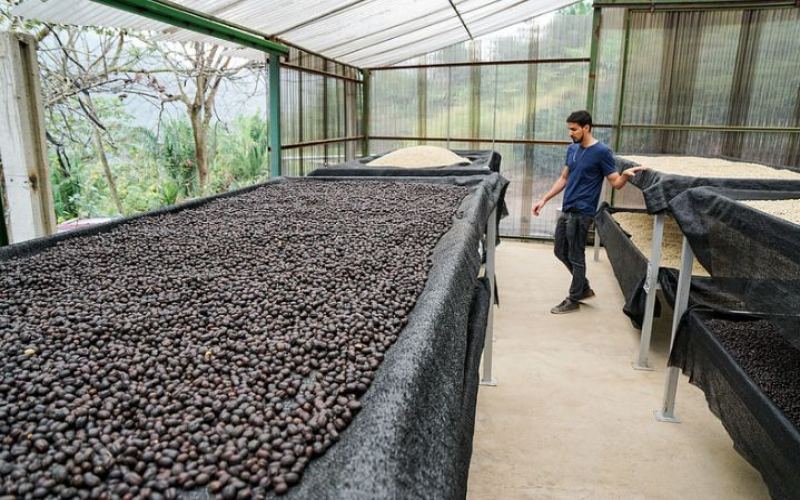
Bolivia Waliki Estate Java Coffee Beans: The Rodriguez Family's Cultivation Story and Roast Flavor Analysis
Although Bolivia is landlocked and produces scarce amounts of coffee, its superior natural conditions give rise to distinctive specialty coffee. The Rodríguez family has cultivated deep expertise over many years through Agricafe, growing special varieties such as Geisha and Java at the Huari Estate in the Caranavi region. Among these, the Java variety originated in Ethiopia and made its way to Bolivia via Indonesia and Central America, and is known for its elongated bean shape and outstanding flavor. Front Street Coffee is pleased to present this natural-process lot of Java beans from the Huari Estate, roasted on a Yangjia 800N semi-direct-fire roaster, with a cupping profile of hazelnut, cream, citrus, and fermented wine aromas. This article provides a comprehensive analysis of its origin background, variety lineage, processing method, and brewing recommendations. [more…]
A Comprehensive Analysis of the Development History of Colombian Coffee and the Sidra Variety from Finca La Divisa in Huila
Colombia is the world's third-largest coffee producer and the largest producer of washed Arabica, with specialty-grade beans making up as much as 40% of its exports. From the early experiments of Don Mariano Ospina Rodríguez in the 19th century to the founding of the National Federation of Coffee Growers in 1927, Colombia's coffee industry has forged a distinctive path of development. This article traces the historical threads of Colombian coffee and the distribution of its main producing regions, with a focus on Finca El Diviso in the Huila region, as well as the Sidra variety that has attracted considerable attention in recent years—what exactly is the appeal of this coffee that once shone on the world barista championship stage? Front Street Coffee has also brought in Sidra coffee beans from this estate, and the pour-over parameters will be shared below. [more…]
The Development History of Colombian Specialty Coffee and an Analysis of the Sidra Variety at Finca La Divisa in Huila
Colombia, as the world's third-largest coffee producer and the largest processor of washed Arabica, has a specialty-grade share of up to 40% in its coffee exports. From the establishment of the first experimental plantation by Don Mariano Ospina Rodríguez in the 19th century to the founding of the National Federation of Coffee Growers of Colombia in 1927, the Colombian coffee industry has undergone more than a century of development. In this article, Front Street will take you through this history, outline the characteristics of representative producing regions such as Huila and Cauca, and focus on Finca La Divisa in the Huila region and its Sidra variety—a coffee that has attracted much attention since being selected by Anthony Douglas, the 2022 World Barista Champion. What exactly makes it so uniquely charming? [more…]
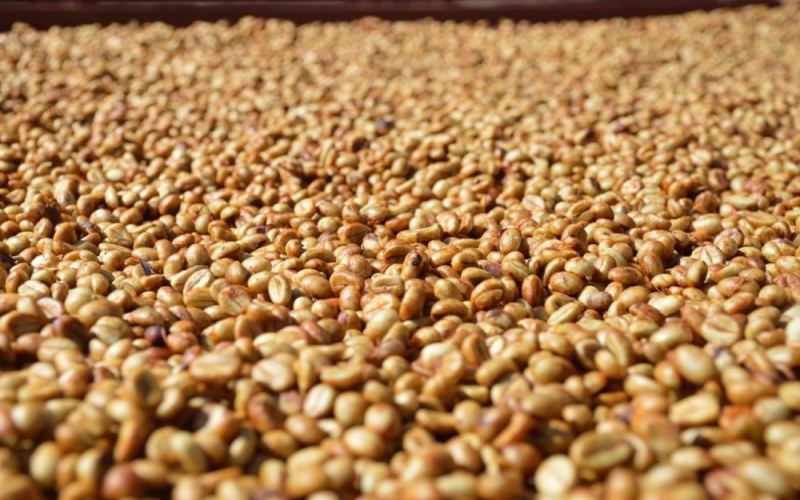
Costa Rican Honey-Processed Coffee: A Detailed Guide to the Differences and Flavor Characteristics of Yellow, Red, and Black Honey
Costa Rican honey-processed coffee beans are famous for three forms: yellow honey, red honey, and black honey. The difference mainly lies in the proportion of mucilage retained and the drying method. Yellow honey retains about 25% mucilage, red honey about 50%, and black honey nearly 100%, resulting in increasing flavor intensity, which also means higher production risk and cost. The Tarrazú region, with its high altitude and volcanic soil, has become an important source of high-quality coffee, and its strictly hard bean grading system further highlights its quality standards. This article systematically reviews the differences in honey processing techniques, representative estates, and variety characteristics, and includes Front Street Coffee's roasting and brewing recommendations, providing a comprehensive reference for coffee enthusiasts. [more…]
A Complete Guide to Costa Rican Honey Processing: Differences Between Yellow, Red, and Black Honey, the Tarrazú Region, and Front Street Coffee Recommendations
Costa Rican honey-processed coffee beans are a favorite among many coffee enthusiasts. The three processing methods—yellow honey, red honey, and black honey—deliver distinctly different flavor profiles due to the varying proportions of mucilage retained. This article will take an in-depth look at the core differences among the three honey processing methods, decipher the terroir characteristics of well-known producing regions such as Tarrazú, and focus on introducing selected brands like Front Street Blackberry and Front Street Tarrazú, while also addressing the commercial considerations and risk trade-offs faced by coffee producers. Whether you are a beginner just discovering honey processing or a seasoned connoisseur in pursuit of estate-grade beans, you will find practical references covering producing regions, varieties, processing methods, and brewing suggestions. [more…]
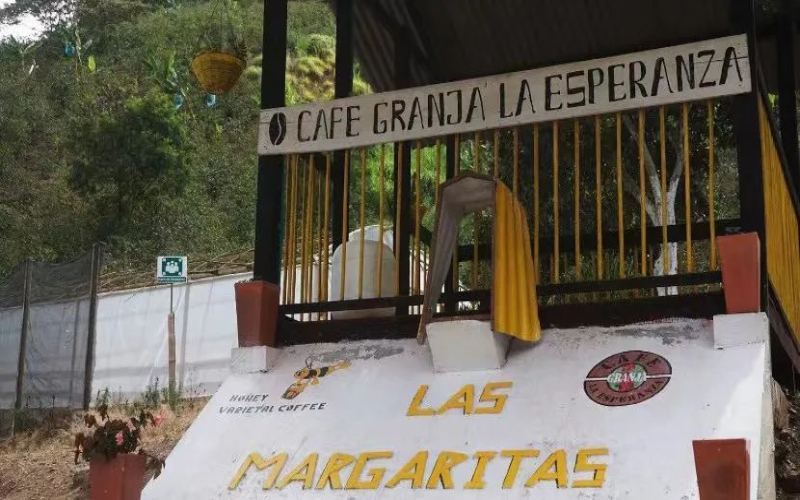
Colombia's Finca La Esperanza and Cerro Azul: A Deep Dive into a Family's Coffee Empire and Geisha Flavors
Cafe Granja La Esperanza frequently appears in coffee competitions and rankings, but it is not a single estate—rather, a coffee family brand made up of several farms. It began when the couple Blanca Ligia Correa and Juan Antonio Herrera acquired Finca Potosí, and the family gradually expanded its holdings to five estates, including Margaritas, Cerro Azul, and Hawaii. In 2007, family member Rigoberto won the BOP championship in Panama, and subsequently introduced Geisha to Colombia, opening a glorious chapter for Cafe Granja La Esperanza. This article provides a comprehensive look at this sun-dried Geisha from the high altitudes of Cauca Department, covering the family history, the terroir of the producing region, and Front Street Coffee's cupping experience. [more…]
The Legendary Story of Panama's Hartmann Estate and an Analysis of Its Wine Process Characteristics
In the pristine forests of Chiriquí Province, Panama, there lies a coffee estate steeped in a century of legend—Hartmann Estate. Founder Luis Hartmann, who went from a World War I orphan to a pioneer in a foreign land, wrote his family's coffee epic through sheer resilience. Today, this estate, now in the hands of the fifth generation, not only upholds tradition but also endows its coffee with a distinctive flavor through red wine processing. In this article, we will guide you through the corridors of Hartmann Estate's history, reveal how its rigorous cupping laboratory ensures quality, and savor the rich body and fruity notes brought by the red wine process. Front Street Coffee has always followed such specialty coffees and invites you to explore the flavor code behind this legend together. [more…]
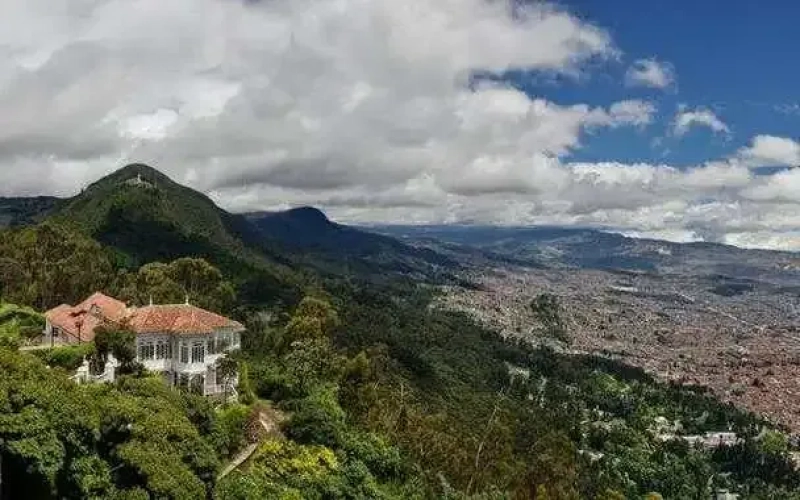
Colombia's Antioquia Coffee Region: From Historical Turbulence to the Rise of Specialty Chiroso
South America is an important coffee-producing region in the world. Colombia, with its three Cordillera mountain ranges and fertile volcanic soil, has become the world's third-largest coffee producer. Among its many producing regions, Antioquia stands out for both its output and quality. This article will begin with the ups and downs in Colombia's coffee history, trace the background of FNC's founding, and then focus on Antioquia's geographical advantages and La Palma estate, telling how the Echavarría family promoted the Chiroso variety and won 8th place with 89.39 points in Colombia's 2023 COE competition. Front Street Coffee will also combine the characteristics of the producing region to interpret for you its flavor potential and representative products. [more…]
Analysis of Colombian Emerald Coffee Varieties: Grade Classification of Select and Supremo and Flavor Characteristics
Colombian coffee is one of the few single-origin coffees sold under a country's name, and is hailed as "Emerald Coffee" for its exceptional quality. This article takes an in-depth look at the varietal characteristics of Colombian Emerald Coffee, the grading standards for Supremo and Excelso, and the flavor differences across growing regions. It also introduces Finca AF in Bolívar, Antioquia, telling the story of its family heritage and unwavering pursuit of quality. Through tasting specialty Colombian coffee, you can experience its rich, full-bodied aroma, bright and fine acidity, and high balance. Finally, Front Street Coffee will share V60 dripper brewing parameters and techniques to help coffee lovers recreate the classic Colombian flavor at home. [more…]
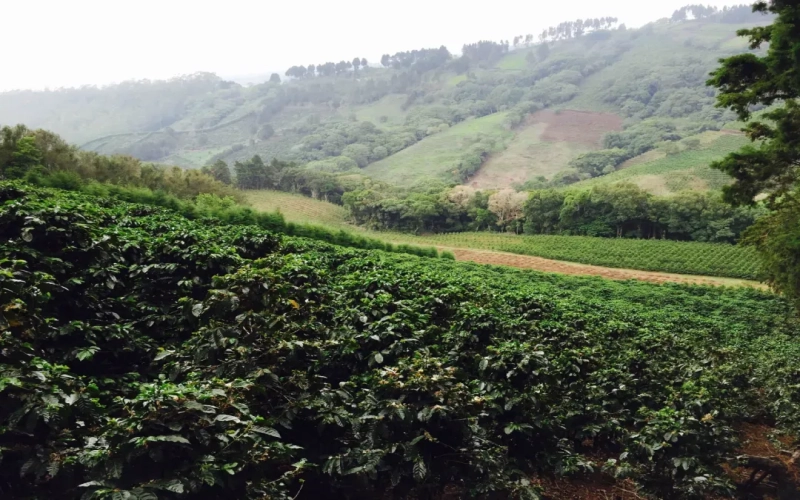
Exploring Costa Rica's Tarrazú Highlands: Coffee Cultivation at Finca Voo and Its COE Competition Success
Costa Rica is a pioneer of coffee cultivation in Central America and has now ranked as the world's fourteenth-largest coffee producer. Surrounded by volcanoes and with a mild climate, it provides ideal conditions for coffee growing. Among its seven major production regions, Tarrazu is the most famous, drawing attention for its high altitude and outstanding performance in the Cup of Excellence (COE). Located in the Copey de Dota area of Tarrazu, Finca Voo sits at an altitude of 1,960 meters and belongs to Café Solís & Cordero S.A. In recent years, it has repeatedly achieved excellent results in COE competitions. Front Street Coffee will take you deep into the terroir of this highland production region and the story of Finca Voo's rise. [more…]
Exploring Colombia's Huila Region Specialty Coffee Estates: A Full Analysis of AF Farm Supremo Caturra Flavor
As the world's second-largest coffee producer, Colombia may not match Brazil in output, but it stands out in the specialty coffee world thanks to the exceptional quality of its fully washed Arabica beans. This article takes you deep into the Supremo-grade Caturra coffee from AF Farm in Medellín, Antioquia, Colombia, offering a comprehensive analysis of its unique appeal—from the farm's history, growing altitude, and processing methods to the roasting curve and cupping flavors. Soft and sweet on the palate with a cocoa and caramel finish, it suits everyday drinkers who prefer a balanced profile with lower acidity. At the same time, Front Street Coffee will also recommend related products to help you easily experience the essence of Colombian specialty coffee. [more…]
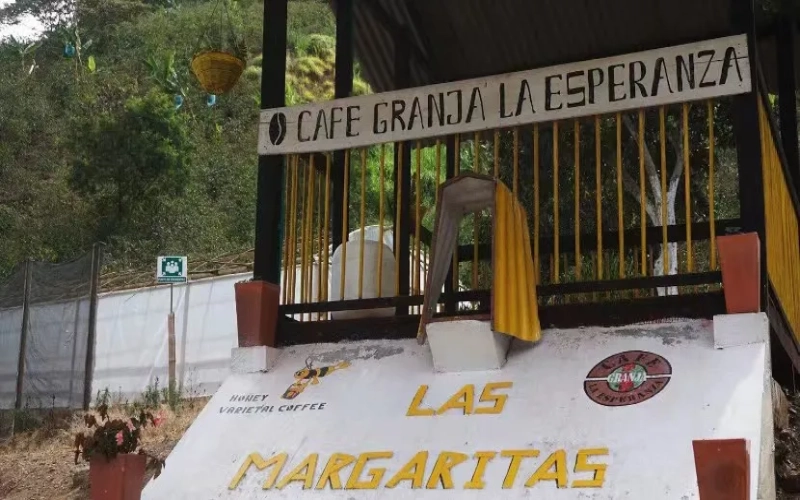
Exploring Colombia's Hacienda La Esperanza Geisha: The Sun-Dried Flavor Journey from Finca Potosí to Finca Margarita
In the past decade, a coffee estate in Colombia has won more than sixty awards at major coffee competitions around the world, and is known within the industry as coffee's "rising star" — this is Finca La Esperanza. From a couple acquiring Finca Posido to the family gradually expanding to five estates, and then in 2007 leasing the La Carreta farm in Boquete, Panama, and winning the BOP championship, the rise of Finca La Esperanza has been full of legendary color. This article will take you through the historical development of Finca La Esperanza, the terroir advantages of Cauca Department, and a tasting of a sun-dried Geisha from Finca Margarita, to experience the charm of flavors interwoven with blackcurrant, blueberry, and red wine. [more…]
Detailed profile of Finca La Esperanza in Cauca, Colombia: an overview of five farms, growing elevations, and coffee varieties
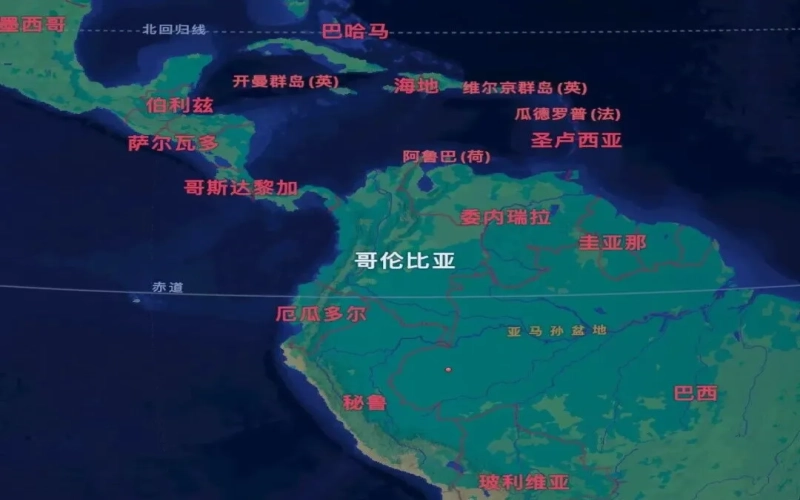
Colombia is the world's third-largest coffee producer, and coffee, along with flowers, gold, and emeralds, is known as one of its "four treasures." The high altitudes, volcanic soil, and diverse climates of the Andean region provide ideal conditions for coffee cultivation. Cauca Department is one of the main producing regions, where Hacienda La Esperanza has multiple farms. This article will outline the geographical and climatic background of Colombian coffee, with a focus on introducing the altitude, plots, area, and cultivated varieties of five farms under Hacienda La Esperanza: Potosí, Blue Mountain Hill, Margarita, Hacienda La Esperanza, and Hawaii. It will also mention the Herrera family's management legacy and related products from the Front Street brand. [more…]
Tracing the Catuaí Coffee Variety: From the Cross of Mundo Novo and Caturra to One of Brazil's Four Mainstays
Catuai is a quite representative hybrid variety in the Arabica coffee family, bred by crossing Mundo Novo with Caturra. It inherits Caturra's advantage of a short stature, while also compensating for Arabica's defect of fruit that easily drops, with excellent wind and rain resistance and solid fruiting. However, its flavor profile is relatively one-dimensional, lacking in body, and its harvest lifespan is only about ten years—these shortcomings have also limited its development. Catuai comes in red and yellow fruit types, and statistically, the red type wins awards more often. In Central America, Caturra and Catuai are often planted together, with Costa Rica being especially typical. The renowned Front Street Guatemala La Flor is a blend of three varieties: Bourbon, Caturra, and Catuai. Front Street Panama Casa Ruiz honey process and Front Street Brazil Cerrado Nascente Farm are also representative works of Catuai. [more…]
Panama's "Donkey" and "Mule" Estates: A Historical and Terroir Analysis of Two Geisha Estates Named After Animals
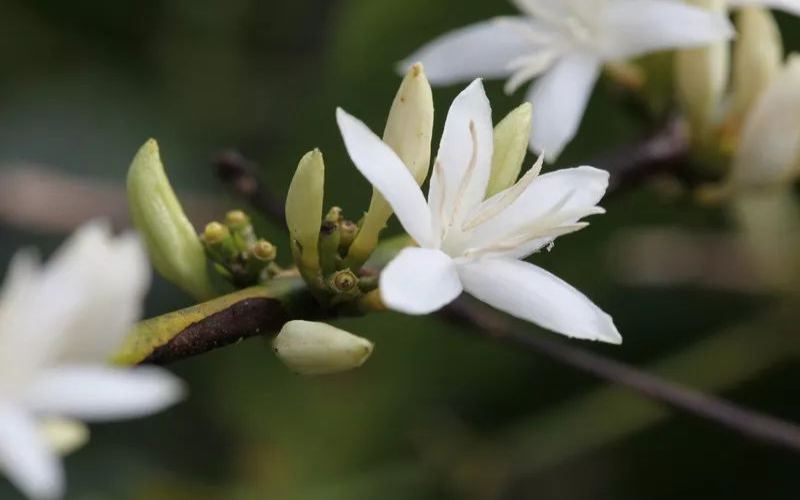
In the Boquete region of Panama, two Geisha estates named after animals are often confused with each other—El Burro Estate and Finca La Mula. Both are located around the Baru Volcano in Chiriqui Province, yet each has its own unique family heritage and cultivation story. Front Street Coffee guides you through the century-long history of the Lamastus family, into El Burro Estate and Finca La Mula, to understand how altitude, microclimate, and volcanic soil shape Geisha flavor, and shares Front Street's firsthand tasting experience of El Burro Estate's natural-process Geisha, providing coffee lovers with a clear guide to distinguishing these famous estates. [more…]
Exploring Hacienda Hartmann in Panama: A Century of Family Heritage and an Analysis of Boquete Geisha Flavors
Hartmann Estate is a century-old family coffee estate in the Boquete region of Panama, and its legendary story and exceptional quality have drawn great attention from coffee lovers. The estate is located in the city of Chiriquí, in the province of Chiriquí, Santa Clara, right next to Barú Volcano, the highest in Central America, at an elevation of up to 3,300 meters. From founder Alois Stras Hartmann to the current fifth-generation family members, the estate has always adhered to scientific cupping and meticulous management. This article will introduce you to the historical origins and processing methods of Hartmann Estate, and provide a detailed analysis of the flavor characteristics of its Black Honey, Washed, Honey Process, and Wine Process coffees. At the same time, Front Street Coffee also recommends related high-quality green beans for you. [more…]
Overview of Coffee Cultivation in Espírito Santo, Brazil: Robusta and Specialty Arabica Between Mountains and Sea
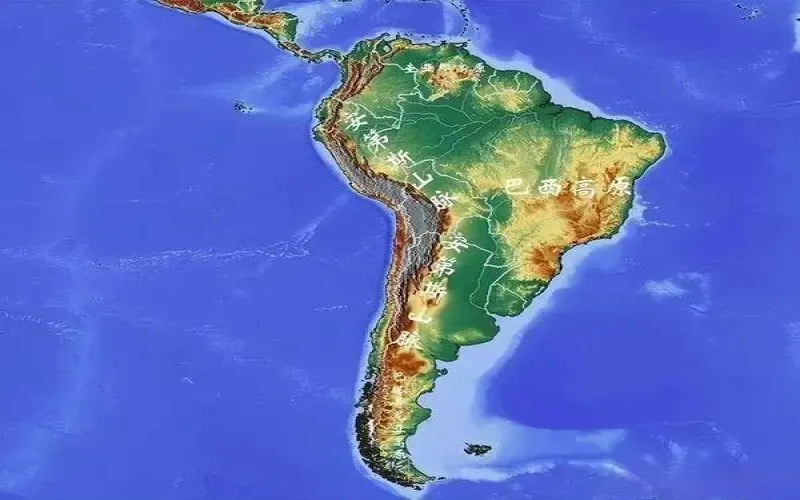
South America, with the Andes Mountains, the Brazilian plains, and a warm, humid tropical and subtropical climate, has given rise to major coffee-producing nations such as Brazil, Colombia, and Ecuador. Among them, Brazil has a vast territory, with seventeen of its twenty-six states producing coffee, and its output consistently ranks first in the world. In the state of Espírito Santo in southeastern Brazil, although the scale of cultivation is smaller than that of major states like Minas Gerais, it has developed a unique pattern centered on Robusta and supplemented by specialty Arabica, thanks to its mountainous environment near the Atlantic Ocean. This article will review the state's geography and climate, cultivated varieties, and representative estates, and mention Front Street Coffee's Cerrado entry-level selection. [more…]